
Dubai is one of the world's hottest cities
42°C +
Record highs of the past decade
In cooling path we investigate how to find comfortable routes under the heat.
Our algorithm compares the shortest against the coolest paths throughout the city.
We combine outdoor, shaded, and indoor paths throughout the seasons.

Tree

Building

Interior
On average we find that the coolest path is only
1.3%
longer than the shortest path
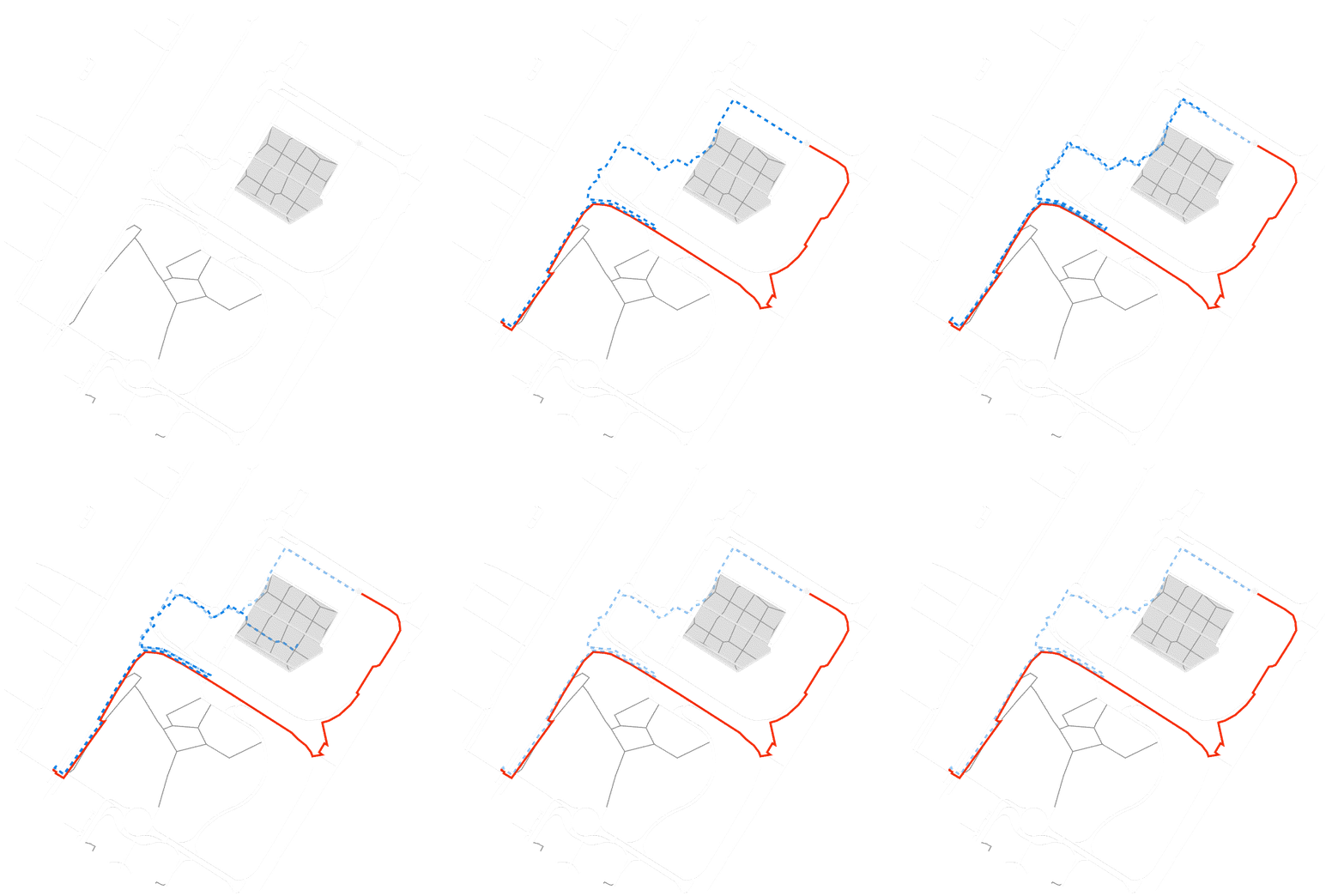
Emirates Towers Metro Area
Indoor spaces included in the coolest paths
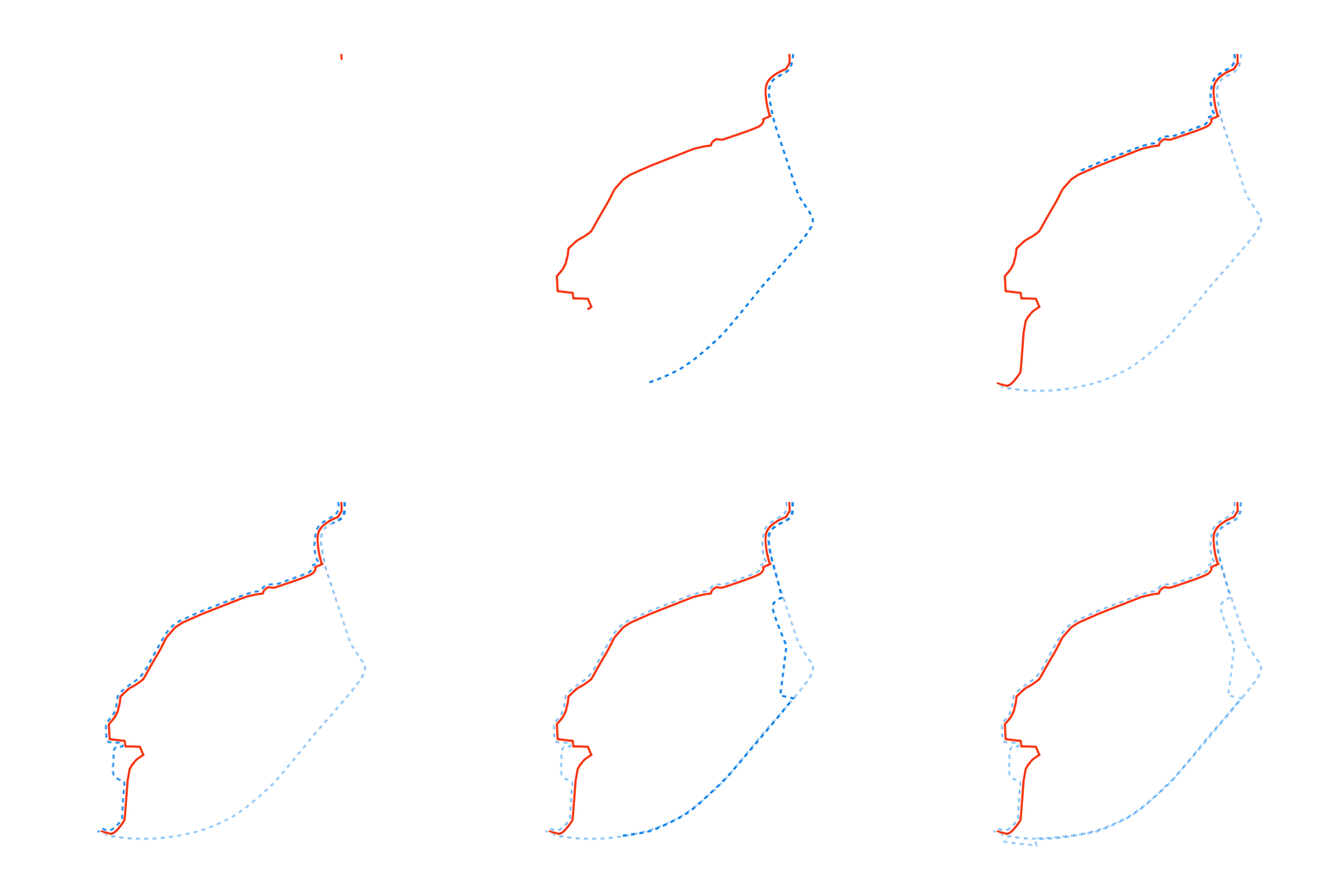
The Gardens Metro Area
Unique seasonal routes for each cooling path
In Cooling Path we develop a methodology to evaluate pedestrian
walking environments by comparing the alignment of the shortest and
optimal shadiest paths around metro stations in Dubai. Unlike
existing models that apply a constant shade reward, our optimal
shadiest path algorithm assigns dynamic rewards to buildings, trees,
and indoor shade, better reflecting real-world conditions.
We also highlight the often over-looked role of indoor paths in
enhancing pedestrian thermal comfort. The results reveal that, on
average, the optimal shadiest path is only 1.3% longer than the
shortest path, with an 8.8% decrease in sun exposure. Our study
demonstrates the importance of pathfinding research to uncover
comfortable paths for pedestrians in hot, arid environments.
Wen J., Abuhani DA., Mazzarello M., Duarte F., Norford L., Xu R., Wong NH., Ratti C. (2025). Walking Smart in the Heat: A Dynamic Shade-Oriented Pathfinding Approach to Enhance Pedestrian Comfort in Arid Cities. Computers, Environment and Urban Systems.
The material on this website can be used freely in any publication provided that:
For more information,
senseable-contacts@mit.edu